If you are selling a luxury home in Alpharetta, great marketing is not optional. In a market where home values are high, buyers are digitally connected, and listings often compete closely on price and presentation, the way your home enters the market can shape both interest and outcome. This guide walks you through the marketing essentials that help a luxury listing stand out, attract serious buyers, and support a stronger sale. Let’s dive in.
Why marketing matters in Alpharetta
Alpharetta is a strong market for high-value homes. U.S. Census QuickFacts reports a median household income of $147,612, a median owner-occupied home value of $649,000, and broadband access in 97.4% of households. That means many likely buyers are both financially qualified and highly reachable online.
Current market data also shows why strategy matters. Redfin reported a May 2026 median sale price of $764,542, about 31 days on market, and roughly 2 offers per home, while Realtor.com reported a June 2026 median listing price of $850,000, about 43 days on market, and a 99% sale-to-list ratio. The exact numbers vary, but the message is consistent: pricing, presentation, and exposure all matter.
Start with a luxury-level listing plan
A luxury home should not be marketed like a standard listing. In Alpharetta, the baseline is higher because buyers expect polished presentation and easy digital access from the first day your home goes live. A simple MLS upload and yard sign are rarely enough to compete well in this part of the market.
You should expect a plan that covers the home before launch, at launch, and during the live listing period. That includes guidance on preparation, professional media, pricing strategy, online presentation, and ongoing review of buyer response. A luxury campaign should feel intentional from start to finish.
Prepare the home before it goes live
Before buyers notice your home’s features, they notice its overall feel. Clean, edited, well-prepared spaces help them focus on layout, finishes, and lifestyle rather than distractions. This is especially important in luxury homes, where buyers tend to compare details closely.
NAR’s 2025 Profile of Home Staging found that the most commonly recommended prep steps were decluttering, entire-home cleaning, and improving curb appeal. Those are practical steps, but they carry real weight because they improve both in-person showings and online media.
Focus on decluttering and editing
Decluttering was recommended by 91% of agents in the staging report. That matters because luxury buyers want to see space, scale, and design, not crowded shelves or overfilled rooms. Editing back furniture and accessories can make a room feel larger, calmer, and more refined.
This does not mean making your home feel empty. It means helping each room read clearly so buyers can understand how the space lives. In high-end marketing, simplicity often photographs better and feels more elevated.
Prioritize deep cleaning and curb appeal
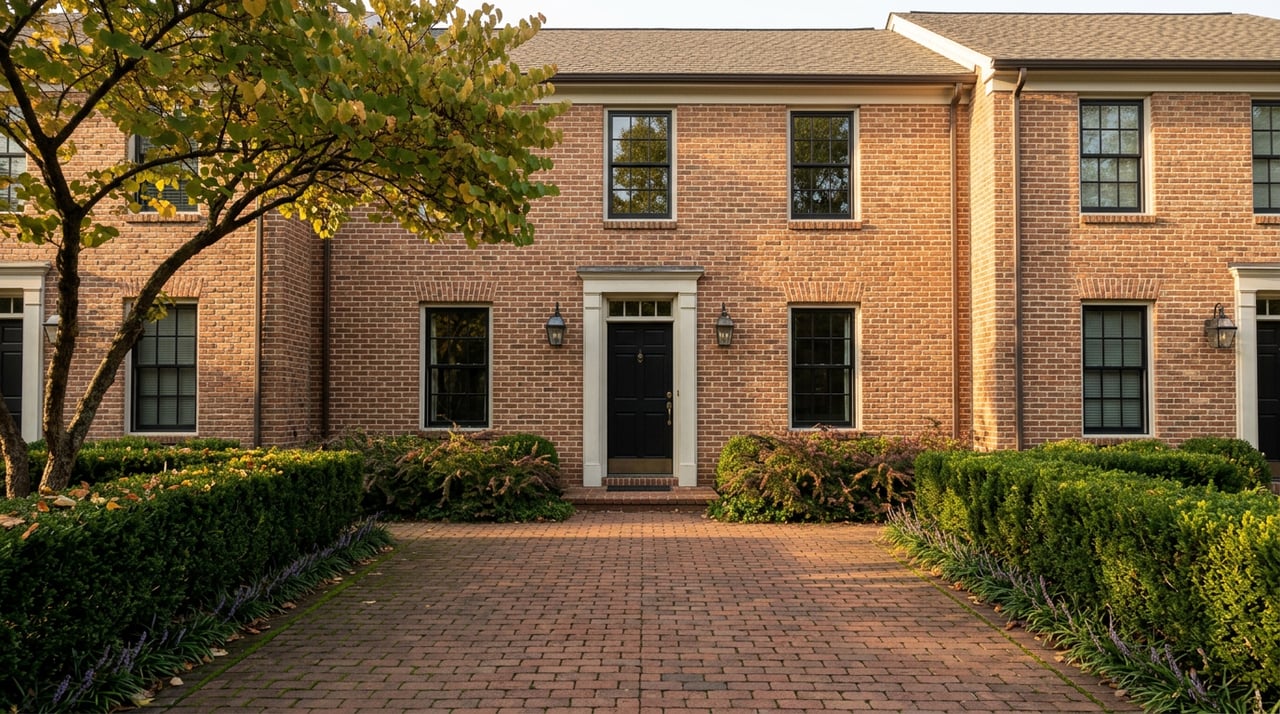
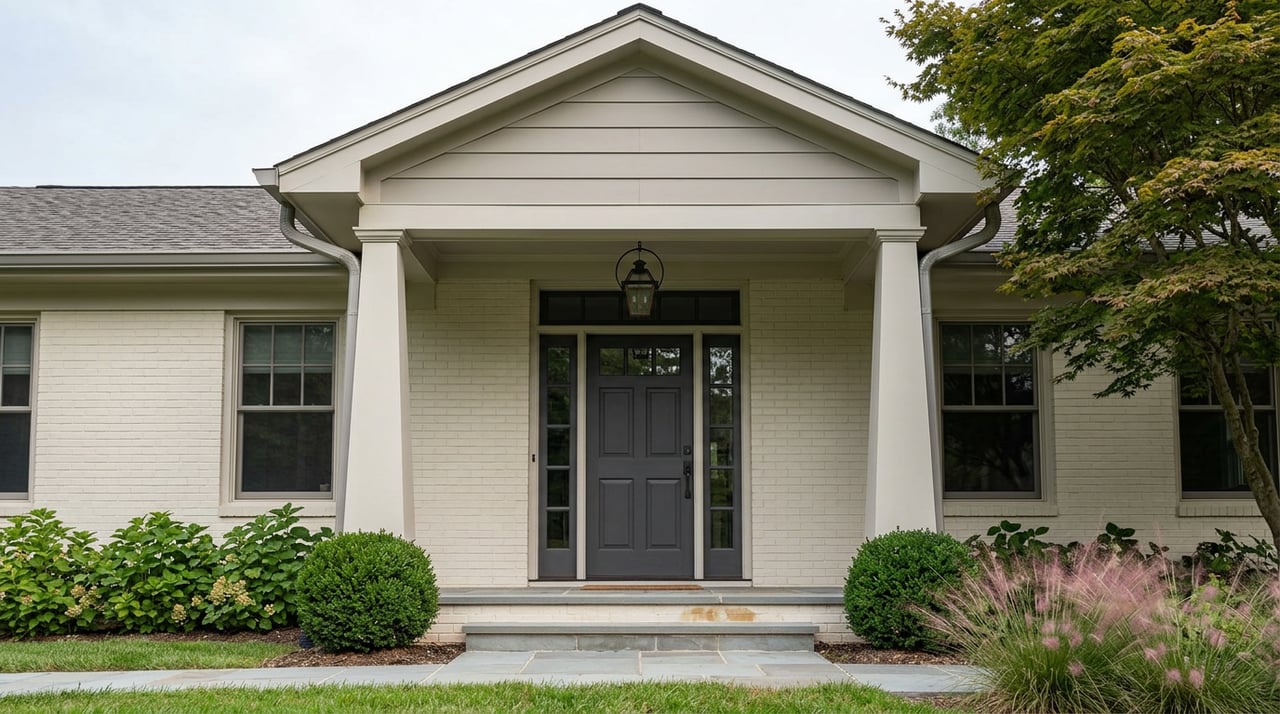
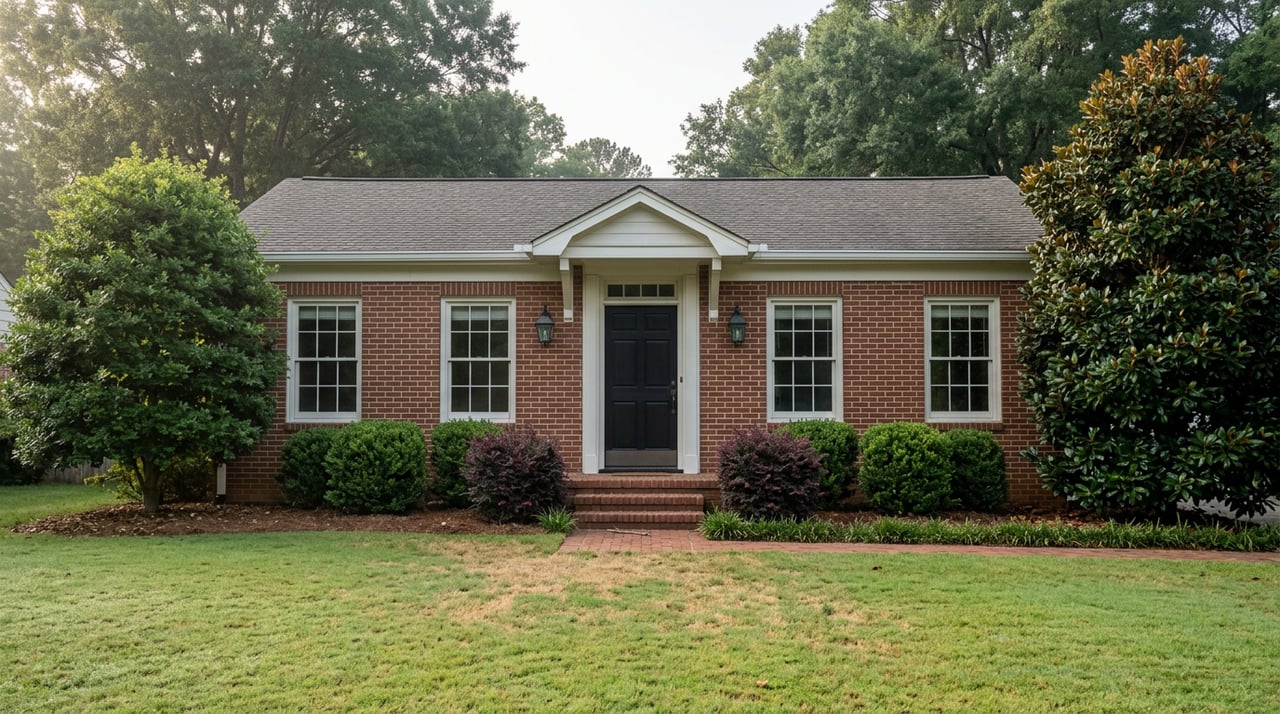
Entire-home cleaning was recommended by 88% of agents, and curb appeal by 77%. These are not small details. A luxury buyer may form an opinion before even stepping inside, especially after seeing exterior photos first.
Fresh landscaping, clean walkways, polished entry points, and crisp interiors support the idea that the home has been well maintained. That can reinforce buyer confidence early in the process.
Stage key rooms thoughtfully
According to NAR, the rooms most often staged were the living room, primary bedroom, dining room, and kitchen. Those spaces usually carry the biggest visual impact in listing photos and tours. If your home has standout entertaining areas, a home office, or outdoor living spaces, those may also deserve special attention.
NAR also found that 83% of buyers’ agents said staging made it easier for buyers to envision the property as their future home. That is one reason staging can be so effective in a luxury sale. It helps buyers connect emotionally while still evaluating the home logically.
Invest in strong visual marketing
Luxury buyers often meet your home online before they ever schedule a showing. If the visuals are weak, many will move on before your property gets a real chance. In Alpharetta, where broadband access is nearly universal, your listing has to perform well on phones, tablets, and desktops.
NAR’s 2024 buyer trends report found that 41% of buyers first looked online for properties, 52% found the home they purchased through the internet, 72% used a mobile or tablet device, and 38% used an online video site. For many buyers, your home’s digital first impression is the first showing.
Professional photography is essential
Photos were rated as the most important listing element by buyers’ agents in the staging research, with 73% identifying them as important. They are also among the most useful website features for most buyers under age 58. That makes professional photography one of the most important pieces of your marketing package.
Luxury photography should do more than document rooms. It should show light, flow, scale, finish quality, and the home’s strongest lifestyle moments. Strong images can increase interest, improve showing activity, and support perceived value.
Video adds reach and context
Video was identified as important by 48% of buyers’ agents, and 38% of buyers used an online video site during their search. That makes video a meaningful part of luxury exposure, not just a nice extra. It can help your home feel more immersive and memorable.
A good video can also communicate details that still photos may miss, like room transitions, ceiling height, outdoor flow, and overall atmosphere. For out-of-town or relocating buyers, this is especially useful because it helps narrow interest before travel or scheduling.
Virtual tours support serious interest
Virtual tours were rated as important by 43% of buyers’ agents. They can help buyers better understand layout and movement through the home. That can lead to more informed showing requests and, in some cases, stronger buyer confidence.
For luxury homes, virtual tours are particularly helpful when the floor plan, outdoor areas, or architectural details are part of the home’s value story. They give buyers more context before an in-person visit.
Make the listing mobile-first
Since 72% of buyers used a mobile or tablet device in the search process, your listing needs to read clearly on smaller screens. That means sharp photos, concise but descriptive copy, and a clean presentation that highlights the home’s top features quickly. Mobile-first is not a trend. It is the way many buyers shop.
This matters even more in a fast-scrolling environment where buyers may compare several homes in a short period. If your listing looks hard to read, poorly organized, or visually flat on a phone, you may lose attention before a showing is ever booked.
Price with precision
Even the best marketing cannot fully overcome a pricing problem. In Alpharetta’s active but not overheated market, buyers appear willing to engage, but they are still comparing options closely. A thoughtful price position helps your home enter the market with credibility.
The research suggests a market where homes are moving, but not instantly in every case. With reported median days on market ranging from 31 to 43 days and a 99% sale-to-list ratio in Realtor.com’s June 2026 snapshot, your pricing strategy should align with current competition and presentation quality. Luxury pricing works best when it is both aspirational and grounded.
Combine broad exposure with targeted outreach
Luxury marketing needs reach, but it also needs direction. Public online visibility helps buyers discover the home, while professional outreach helps place it in front of the right circles. A layered approach is often the most effective.
NAR reporting shows that nearly 90% of buyers and sellers rely on real estate agents, and 88% of buyers used an agent as an information source. That supports a strategy that blends major digital exposure with active agent-to-agent communication.
Online exposure drives discovery
Because so many buyers begin online, broad digital distribution remains central. Your home should be easy to find, visually compelling, and clearly positioned from the first day it is launched. This is especially important in a connected market like Alpharetta.
Online marketing creates the first wave of attention. It helps buyers, relocation clients, and local agents all see the home quickly and evaluate whether it fits their needs.
Agent networking expands qualified reach
Some of the most serious buyers come through agent relationships. Direct communication with agents who work with luxury, relocation, and move-up clients can expand visibility beyond passive online browsing. This is one of the clearest differences between a standard listing and a luxury strategy.
For sellers, this means your listing agent should not only publish the property but also actively promote it within professional networks. That kind of outreach can help your home reach buyers who are ready, qualified, and represented.
Relocation channels can support the campaign
Relocation and corporate-transfer buyers can be relevant in North Metro Atlanta, but they should supplement the plan rather than carry it. NAR data shows only a small share of buyers find homes through relocation companies overall. That means this channel can be useful, but it should not replace a strong digital launch and agent-driven exposure.
For some Alpharetta sellers, especially those with executive-style homes or properties that appeal to incoming professionals, relocation visibility may still add value as part of a broader campaign.
Monitor the market response after launch
Luxury marketing does not end when the listing goes live. Once your home is on the market, the next step is reading buyer response and adjusting when needed. Showings, feedback, and pace all help indicate whether pricing and presentation are working.
This is where an experienced, process-driven agent adds value. Sellers often want help pricing competitively, marketing effectively, selling within a timeframe, and identifying ways to improve the home before listing. Those priorities line up with what the research says sellers want most from their agent.
What to expect from your listing partner
If you are selling a luxury home in Alpharetta, you should expect more than basic service. You want a listing partner who can guide preparation, coordinate professional media, position the price carefully, and maintain strong communication from launch to closing.
That means a process that feels organized and personal at the same time. For many sellers, the right fit is a team that combines local market knowledge, broad exposure, and hands-on service throughout the transaction.
When your home is prepared well, presented beautifully, and marketed with intention, you give it the best chance to compete. If you are thinking about selling and want a tailored strategy for your Alpharetta property, call or text Sarah for a personalized market consultation with Stovall Properties Group.
FAQs
What makes luxury home marketing different in Alpharetta?
- Luxury home marketing in Alpharetta typically requires stronger presentation, professional visuals, mobile-friendly exposure, careful pricing, and active agent outreach because buyers are highly connected and compare listings closely.
Why are professional photos important for selling a luxury home?
- Professional photos matter because many buyers first discover homes online, and photos are one of the most useful listing features for driving interest and encouraging showings.
Does staging help sell a luxury home in Alpharetta?
- Yes. NAR’s staging research found that staging helps buyers envision the home, and many agents reported that it can reduce time on market and support stronger offers.
Should a luxury listing include video and virtual tours?
- In many cases, yes. Video and virtual tours can help buyers understand the home’s layout, flow, and overall feel before visiting in person.
How important is pricing when selling a luxury home in Alpharetta?
- Pricing is critical because current market data points to an active but measured environment where buyers are engaged, but still sensitive to how a home compares on value and presentation.