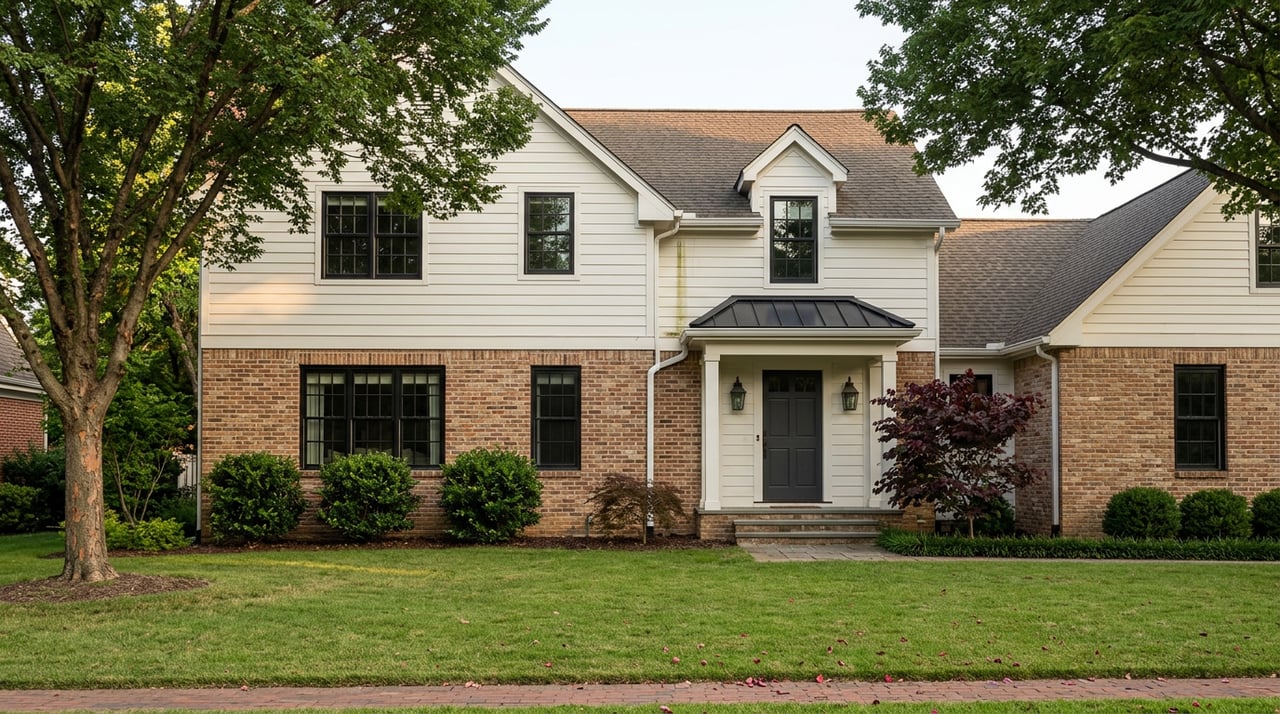
Trying to decide between a resale home and new construction in Cumming? It is a common question, especially in a fast-growing area like Forsyth County where you can find both established homes and a steady pipeline of new builds. If you are weighing speed, condition, warranty coverage, and neighborhood feel, the right choice often comes down to your timeline and your comfort with risk. Let’s break down how to think about it.
Why this choice matters in Cumming
Cumming and Forsyth County are still growing quickly. Forsyth County grew from 251,283 residents in 2020 to 282,805 in 2025, and Cumming grew from 7,318 to 12,494 during that same period.
That growth shows up in housing too. Forsyth County issued 1,299 single-family detached permits in 2024, 1,161 in 2025, and 451 through May 31, 2026. In other words, this is not a market that relies only on existing homes. You still have meaningful new construction activity to compare against resale options.
The local market is also active. Over the three months ending May 2026, Forsyth County homes sold for a median of $641,775 and averaged 38 days on market, while Cumming’s average home value was reported at $605,070 with homes going pending in about 36 days.
That pace matters because both resale and new construction can move quickly, but they do not move in the same way. One offers a more immediate picture of what you are buying, while the other often offers newer systems and formal builder protections.
When resale may fit you better
If you want a home you can evaluate right now, resale often has the edge. You can see the finished yard, the street activity, the surrounding homes, and the overall feel of the neighborhood before you close.
That level of visibility can bring peace of mind. In an area where some neighborhoods are still building out, a resale home may give you a better sense of what daily life already looks like instead of what it might look like months from now.
Resale can also be a better fit if your move timeline is tight. If you need to settle in sooner, an already-completed home usually offers a faster path to occupancy than a home that still depends on construction progress, inspections, and final approvals.
What to watch with resale homes
The main tradeoff with resale is condition. Older roofs, HVAC systems, plumbing components, appliances, and prior repairs can all affect your costs after closing.
That is why inspections matter so much. The Georgia Attorney General advises buyers to use a professional home inspector, review warranties carefully, and keep records, especially when questions come up about repairs or defects.
You may also find that some home components are no longer covered by any builder warranty. That does not make a resale home a poor choice, but it does mean you should look closely at maintenance history and inspection findings before you commit.
When new construction may fit you better
If you want newer systems, modern finishes, and builder warranty coverage, new construction may feel more appealing. For many buyers, the biggest draw is not just that the home is new. It is that the process is structured and the warranty terms are usually clearer at the start.
Georgia rules require licensed residential contractors to offer a written warranty on covered contracts and make that warranty available before the contract is signed. That written warranty must describe covered work, exclusions, standards, the term of coverage, claim procedures, response options, and any assignable manufacturer warranties.
That can give you more clarity upfront than you often get with an older home. The FTC also notes that common new-home coverage often looks like one year for workmanship and materials, two years for HVAC, plumbing, and electrical, and sometimes 10 years for major structural defects.
New construction is still a timeline decision
A new home does not always mean a simple or fast closing. In Forsyth County, the building process follows a defined approval path, and the home cannot be completed until county requirements are met.
Forsyth County requires new residential dwelling applications to be submitted electronically, with supporting items such as floor plans, elevation drawings, septic or sewer documentation, water-meter or well proof, and impact fees for all new residential dwellings. The county inspection process is staged and typically moves through setback, footing or foundation, rough trades and framing, insulation, and final inspection before a certificate of occupancy is issued.
Approved plans must be on site, inspections can be requested online, by email, or by phone, and work cannot be covered before county approval. The county also states that third-party inspection reports do not replace county approval.
If construction slows down, timing can become a real issue. Forsyth County says building permits expire 12 months after issuance unless renewed within three months of expiration, which means delays may affect more than your move date.
The real tradeoff: speed versus process
For most buyers in Cumming, this decision comes down to a practical tradeoff. Resale shifts more of your decision toward current condition, maintenance history, and inspection findings.
New construction shifts more of your decision toward build timing, punch-list follow-up, warranty administration, and the county approval process. Neither path is automatically better. It depends on which type of uncertainty you are more comfortable managing.
If you want to walk through a finished home and know what the street feels like today, resale often makes sense. If you are comfortable with a more procedural process in exchange for newer materials and builder protections, new construction may be the better fit.
How neighborhood build-out affects your choice
In Cumming and Forsyth County, one of the smartest questions you can ask is whether the neighborhood is finished or still changing. Because the county continues to add housing, some communities are still in active build-out phases.
That can affect your experience after closing. Traffic patterns, construction activity, and the look of nearby streets may continue to evolve if additional homes are still being built.
A resale home in a more established setting may offer more certainty about the immediate surroundings. A new home in a developing neighborhood may offer newer construction and updated layouts, but you should go in understanding that the area around you may not be fully complete yet.
Inspections still matter on both paths
It is easy to assume a new home needs less scrutiny than a resale home. In practice, both deserve careful review, just for different reasons.
With resale, the focus is usually wear, deferred maintenance, aging systems, and signs of prior repair. With new construction, the focus often shifts to workmanship, completion items, and making sure issues are identified while warranty procedures are still clear and active.
Forsyth County’s county inspection process is important, but it is not the same thing as evaluating the home from your perspective as a buyer. County approvals are part of the construction process. Your own due diligence is still a key part of making a confident purchase decision.
What happens if defects show up later
If issues appear after closing, the path forward is different depending on whether you bought resale or new construction. With a resale home, the next step often depends on your inspection results, repair agreements, and any coverage still available on specific systems or products.
With new construction, your written builder warranty becomes especially important. It should explain how to submit a claim, what the builder must address, and what is excluded.
If a defect turns into a dispute in Georgia, the Right to Repair Act can affect what happens next. The law requires 90 days of written notice before filing suit, gives the contractor 30 days to respond, and outlines repair or settlement steps that may affect later legal recovery.
A simple way to choose
If you are still torn, use this quick framework:
- Choose resale if you value a faster move, a visible finished setting, and the ability to judge condition and surroundings before closing.
- Choose new construction if you value newer systems, written builder warranty coverage, and are comfortable with a construction timeline and formal inspection process.
- Look closely at whether the neighborhood is fully built out or still developing.
- On either option, plan for careful inspections, good documentation, and clear expectations.
In Cumming, both choices can be smart. The best fit is the one that matches your timing, your priorities, and how you want to manage risk during the purchase.
If you want help comparing resale neighborhoods, new communities, or the timing tradeoffs between the two in Forsyth County, call or text Sarah for a personalized market consultation at Stovall Properties Group.
FAQs
How fast can you close on a resale home in Cumming?
- A resale home often offers a faster path to occupancy because the home is already built and you can evaluate its condition, landscaping, traffic patterns, and surrounding activity before closing.
How long can a new construction purchase take in Forsyth County?
- The timing depends on construction progress and county approvals, including staged inspections and the final certificate of occupancy, so a new construction purchase usually has more moving parts than a resale closing.
Do you still need an inspection on a new home in Cumming?
- Yes. County approvals are part of the building process, but your own due diligence still matters because new construction decisions often involve workmanship, completion items, and warranty follow-up.
What does a Georgia builder warranty usually cover?
- Georgia requires licensed residential contractors to provide a written warranty on covered contracts, and common new-home coverage often includes one year for workmanship and materials, two years for HVAC, plumbing, and electrical, and sometimes 10 years for major structural defects.
What should you ask about a Cumming neighborhood before buying?
- Ask whether the neighborhood is fully built out or still under construction, because in a fast-growing area like Forsyth County that can affect your experience with nearby activity, traffic patterns, and how much the surroundings may change after closing.