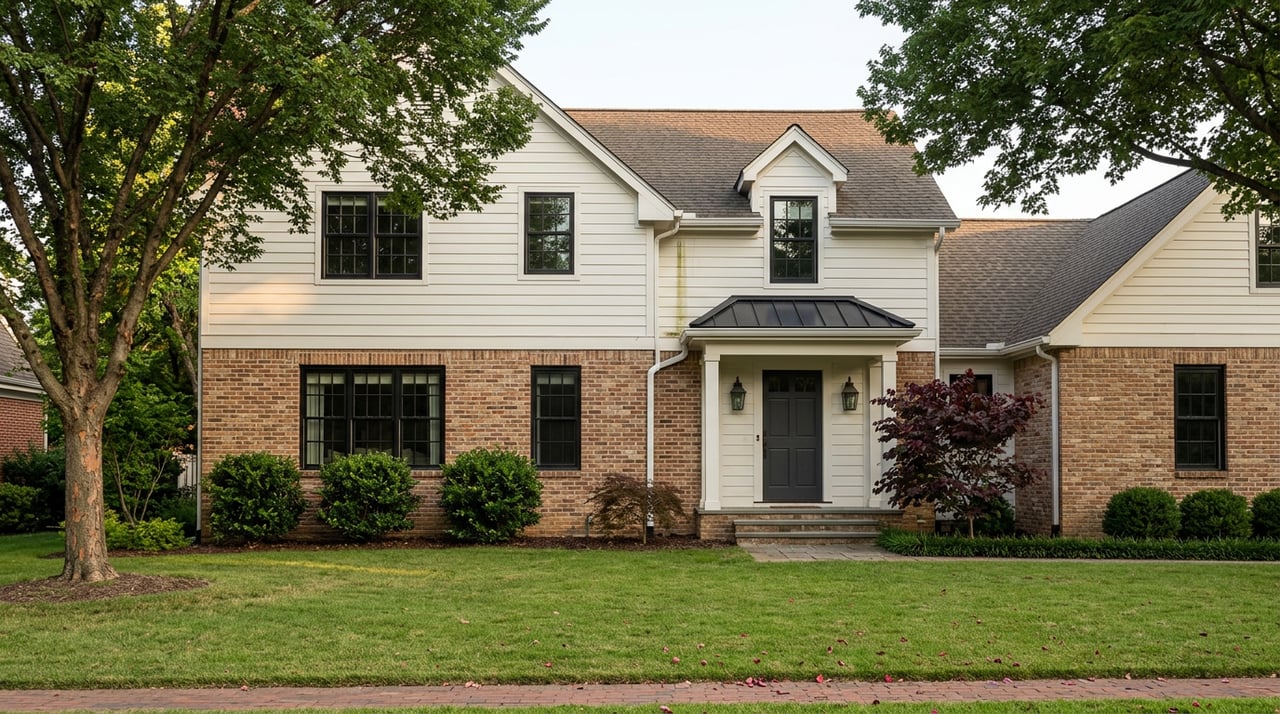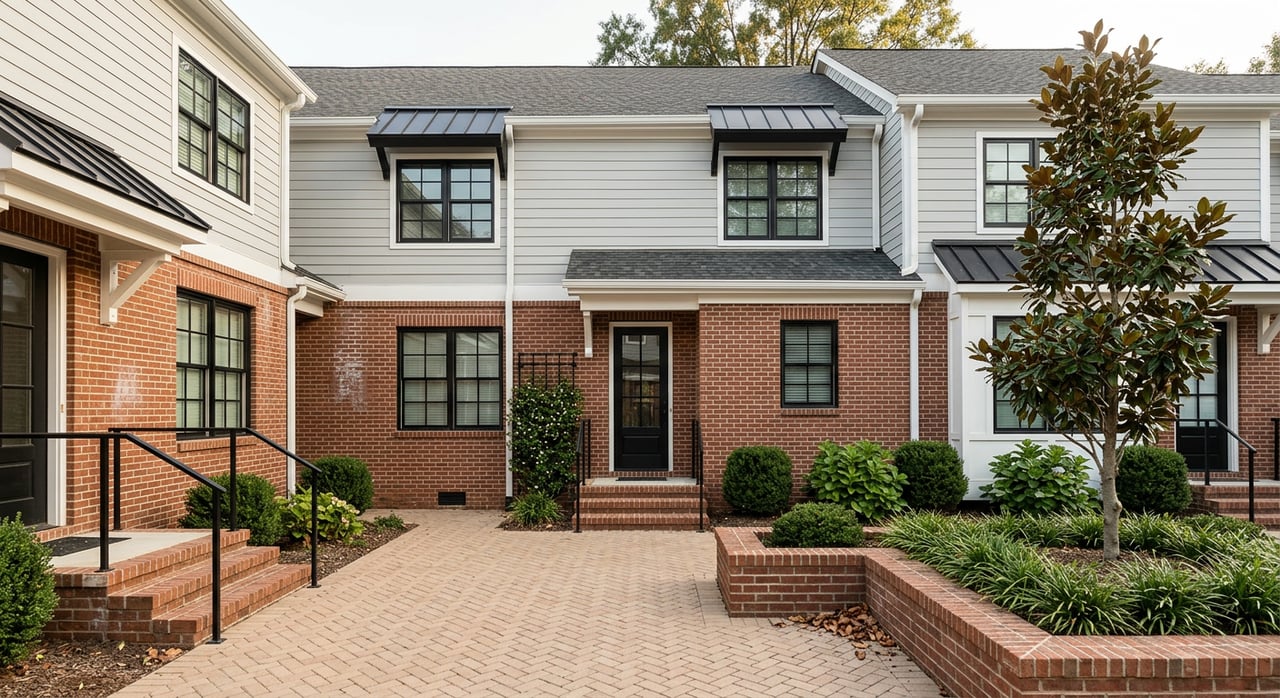
If you want low-maintenance living near great dining, parks, and trails, a townhome or condo in Alpharetta can be a smart move. Whether you are buying your first place, downsizing, or relocating for work, attached homes offer convenience and strong lifestyle value. In this guide, you will learn current prices, what HOA fees cover, key legal protections, financing rules, and a simple step-by-step plan to buy with confidence. Let’s dive in.
Why Alpharetta attached homes
Alpharetta’s walkable cores around Avalon and Downtown create steady demand for condos and townhomes. You will find stacked condos, brownstone-style townhomes, and garden-style condo communities across the city. Many newer projects near the Alpha Loop emphasize amenities and walkability, which can support stronger resale potential over time.
If you value quick access to restaurants, events, and trails, attached homes can deliver that lifestyle with less exterior upkeep than a single-family home. Just make sure you understand the HOA rules and finances before you buy.
Price snapshot and trends
Prices vary widely by location, size, parking, and whether the property is a condominium or a fee-simple townhouse.
- Condos: Median list price about $340,000 (Redfin, Feb 2026).
- Townhomes: Median list price about $724,000 (Redfin, Feb 2026).
- City context: Alpharetta’s citywide median sale price sits near $719,000 (Redfin, Feb 2026), while some platforms show a higher median list price.
- Attached sold trends: A recent report for the condo-townhome category showed a median sold price near $600,000 with roughly $276–$287 per square foot and a sold-to-list ratio near 97% (RPR, Aug 2025).
What this means for you: condos often provide the lowest entry price, while townhomes trend closer to single-family pricing, especially near Avalon, Downtown, and along the Alpha Loop. Always verify whether a figure is a list price or a sold price, since that affects affordability.
Condo vs townhome basics
Choosing between a condo and a townhome starts with how ownership and financing work.
Ownership and HOA differences
- Condominiums: You own the interior of your unit and share ownership of common elements. The HOA manages exteriors, roofs, and shared spaces. Rules, budgets, and reserves are crucial to review.
- Townhomes: Many Alpharetta townhomes are fee-simple. You own the structure and the land beneath, with an HOA handling common areas and some exterior items. Rules still matter, but lender project reviews are usually simpler than for condos.
Financing rules that affect condos
Condominiums have project-eligibility standards that can impact your loan approval. FHA, VA, Fannie Mae, and Freddie Mac review items like owner-occupancy, reserves, insurance, special assessments, and commercial space. If a condo project lacks the required approval, certain loans may not be available. Learn about FHA’s single-unit approval option in HUD’s guidance on condo approvals and single-unit approvals, and use Fannie Mae’s Condo Project Finder to check status.
- FHA Single-Unit Approval overview: HUD’s announcement
- Fannie Mae project lookup: Condo Project Finder
Townhomes typically do not face the same project-approval hurdles, though your lender will still review the HOA and insurance.
Monthly costs and HOA dues
Expect HOA dues to vary by community and amenities.
- Estoppel or resale packet fee: Often $100–$450 in Georgia when you go under contract. See a practical overview of resale certificates and what they include from FirstService Residential Georgia.
- Monthly dues: Many condo and stacked-condo communities fall in the $200–$400 per month range, with some garden-style condos around the $300 range. Gated or amenity-rich townhomes can start near $200 per month and rise with additional services.
- What dues cover: Common areas, exterior maintenance, landscaping, amenities, trash, and the association’s master insurance policy are common inclusions. Some communities include water, termite coverage, or private road upkeep. Always confirm specifics in the resale packet.
Insurance tip: If the master policy is “bare walls,” you will need more robust HO-6 unit coverage. See a helpful primer on condo insurance and master policy types from Forbes Advisor.
Property taxes in Alpharetta
Your tax bill is driven by assessed value and total millage from the city, county, and schools. Alpharetta’s municipal millage for FY2026 is 5.750 mills, with Fulton County and Fulton County Schools set separately each year. City documents outline the current millage structure. Review the city’s published millage information here: City of Alpharetta millage overview.
Example calculation: If total millage were around 33.122 mills and assessed value equals 40% of a $600,000 home ($240,000), the bill would be about 33.122 per 1,000 times $240,000, or roughly $7,949. This is only an illustration. For parcel-specific estimates, use the county’s tool: Fulton County tax estimator. Your actual bill will vary with exemptions and the final adopted millage rates.
Location and amenities that help resale
Walkability and amenities can drive demand for attached homes in Alpharetta.
- Avalon and Downtown: These anchors create strong appeal for homes within walking or quick biking distance. Learn more about Avalon’s mixed-use environment on Wikipedia.
- The Alpha Loop: This planned trail network aims to connect key destinations, which is a long-term plus for nearby homes’ lifestyle value.
- Example community: The Maxwell offers stacked condos and brownstone townhomes with a pool, cabana, bocce, and firepit areas, plus walkability to dining and shopping. Explore the community overview from the developer at The Maxwell by The Providence Group.
Other resale drivers include secure parking or garages, efficient floor plans, newer construction in prime micro-locations, and healthy association finances.
Your due diligence checklist
Use this step-by-step plan to reduce surprises and keep your closing on track.
Before you tour
- Get pre-approved and tell your lender you are shopping for a condo or townhome so they can flag any project-eligibility issues early. You can confirm condo status with tools like Fannie Mae’s Condo Project Finder.
- Budget for monthly dues, condo HO-6 insurance if applicable, and a $100–$450 resale packet fee.
Under contract: act fast
- Order the HOA or condo resale packet immediately. Allow 10–14 business days for full delivery, depending on the management company’s turnaround.
- For condominiums, Georgia law provides a key buyer protection. Under the Georgia Condominium Act, you have the right to void a covered contract until at least seven days after the required condo documents are furnished. Review the statute here: O.C.G.A. § 44-3-111.
- Confirm how any special assessments will be handled at closing. Clarify whether the seller will pay, credit you, or fund an escrow if needed.
- Review the master insurance policy and deductibles. Get HO-6 quotes early if buying a condo.
- If you plan to use FHA or VA financing, confirm whether the condo project has the necessary approvals. FHA’s policy updates made single-unit approvals possible in some cases. See HUD’s overview: FHA Single-Unit Approval.
What to review in the packet
- Governing documents: declaration, bylaws, rules and regulations.
- Budget, financials, reserve study, and current reserve balance.
- Insurance declarations and master policy summary.
- Board and annual meeting minutes from the last 12 months.
- Estoppel or resale certificate showing the unit’s account status, transfer fees, and move-in rules. For a Georgia overview, see FirstService Residential’s guide.
Red flags to watch
Scan for these issues before your inspection period ends:
- No recent reserve study or a low reserve balance relative to the study’s recommendations.
- Recent or pending special assessments, especially for building systems or structural work.
- High owner delinquency rates or frequent collections by the association.
- Pending litigation against the association that could affect insurance or reserves.
- Master insurance gaps or very large deductibles that shift risk to owners. For coverage basics, review Forbes Advisor’s HO-6 overview.
Smart contract protections
Ask your agent to include protections that match attached-home risks:
- HOA document review contingency with a defined calendar window. For condos, align with the statutory seven-day right described in the Georgia Condominium Act.
- Financing contingency that allows cancellation if the condo or townhome project is ineligible for your chosen loan program. You or your lender can verify eligibility with resources like Fannie Mae’s Condo Project Finder.
- Clear language about who pays any special assessments disclosed after contract, plus how they will be satisfied at closing.
Timeline and logistics
- Document delivery: Management companies often quote 10–14 business days for full resale packets. Build this into your offer timeline.
- Lender reviews: Condo questionnaires and project reviews can add time. Share the HOA contact and needed documents with your lender as soon as you go under contract.
- Walkthrough and move-in rules: Some associations require scheduled move-in times, elevator reservations, or fees. Confirm early to avoid delays.
Next steps
If a low-maintenance Alpharetta lifestyle fits your goals, start with pre-approval, set a budget that includes HOA and insurance costs, and plan a thorough condo or HOA review. When you are ready, connect with a local guide who knows the nuances of attached housing, financing, and association documents. Call or text Sarah for a personalized consultation at Stovall Properties Group.
FAQs
What is the difference between condo and townhome ownership in Alpharetta?
- Condos typically include ownership of the interior only with shared common elements, while many Alpharetta townhomes are fee-simple and include ownership of the structure and the land beneath.
How do HOA fees work for Alpharetta condos and townhomes?
- Dues vary by community and amenities, often covering exterior maintenance, common spaces, amenities, and the master insurance policy; always confirm inclusions in the resale packet.
Can I use FHA or VA to buy an Alpharetta condo?
- Often yes, but the condo project must meet FHA or VA standards; lenders check project approval and may use single-unit approval options when available.
How are property taxes calculated for Alpharetta attached homes?
- Georgia counties commonly assess at a percentage of market value, then apply combined millage from city, county, and schools; use the county estimator for a parcel-specific estimate.
What HOA documents should I review before closing on a condo or townhome?
- Review governing documents, budget and reserves, insurance summaries, meeting minutes, and the resale certificate or estoppel to confirm fees, rules, and account status.